

 CN
CN
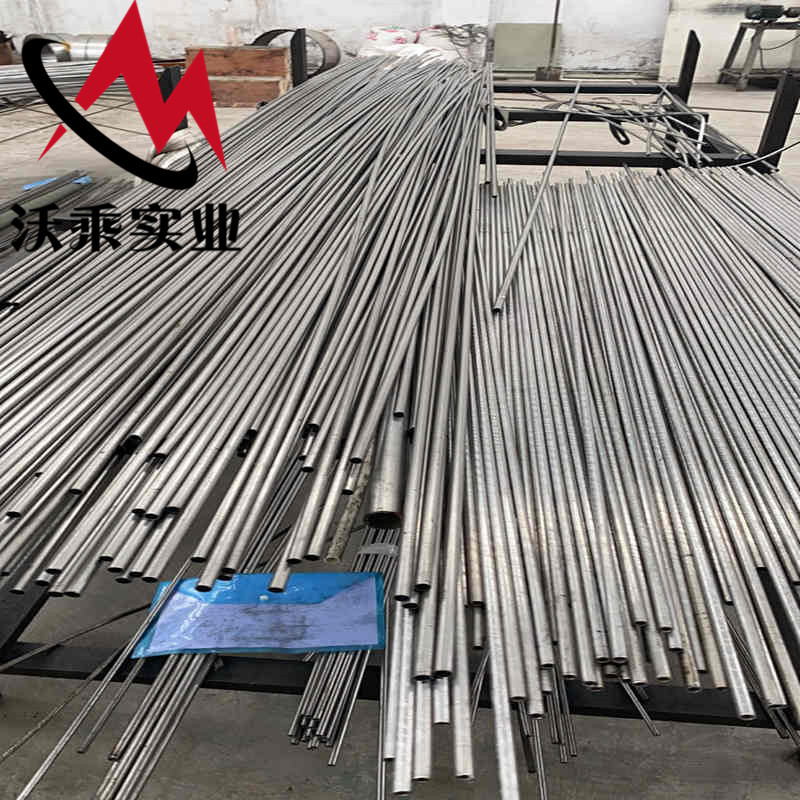
Precision HastelloyC-276 Hastelloy capillary tubes /NS334 microtubes are resistant to hydrofluoric acid and corrosion
Navigating Harsh Environments: Why B30/C71500 Forged Flanges Excel
In the demanding world of marine engineering and industrial processing, material failure is not an option. Selecting the right alloy for critical components like flanges can mean the difference between seamless operation and catastrophic downtime. This is where premium Nickel-Copper Alloy B30 (C71500), also known as Iron Brass or Bfe30-1(Fe)-1(Mn), becomes the engineer's choice for uncompromising performance.
Forged from high-quality billets with a primary copper content as the remainder and tightly controlled impurities (≤0.1%), these flanges offer a unique combination of strength and environmental resistance. The addition of Nickel (approx. 30%) and controlled Iron and Manganese significantly enhances the alloy's properties, making it far superior to standard brasses or bronzes in aggressive settings.
Key Properties That Define Performance
The specification sheet tells a story of engineered resilience. With a softening temperature of 890°C, these flanges maintain structural integrity under thermal stress. A conductivity of 48% IACS and a hardness of 98 HB indicate a material that is both functionally reliable and mechanically robust, capable of withstanding high-pressure applications common in piping systems.
The forging process is critical here. Unlike casting, forging aligns the grain structure of the B30 alloy, resulting in increased tensile strength, reduced porosity, and greater impact resistance. This is followed by a precise polishing surface treatment, which not only provides an aesthetically clean finish but also eliminates minor surface imperfections that could become initiation points for corrosion.
The Marine Application Advantage
Sea water is one of the most corrosive natural environments, posing a severe challenge to metals. The standout feature of B30 nickel copper alloy is its exceptional resistance to seawater corrosion, including impingement attack and stress corrosion cracking. This makes these Wocheng brand flanges, sourced from Jiangsu, China, ideal for:
- Shipbuilding and offshore platform piping systems
- Desalination plant equipment
- Condenser and heat exchanger tubing plates
- Marine pump and valve fittings
- Chemical processing components exposed to saline solutions
The alloy's natural biofouling resistance further reduces maintenance cycles, providing long-term cost savings by minimizing cleaning and part replacement.
Choosing the Right Specification: WC71500
When sourcing, attention to detail is paramount. The product code WC71500 and the standardized Bfe30-1-1 designation ensure you receive a material that meets international standards for composition and performance. The consistent grain size (0.1) is a testament to controlled manufacturing, guaranteeing predictable machining and welding behavior.
For engineers and procurement specialists, this translates to reliability. You are not just buying a flange; you are investing in system integrity, safety, and longevity. The combination of the correct alloy (B30/C71500), the optimal manufacturing process (forging), and a reputable supplier delivers a component that performs consistently under pressure.
Conclusion: An Investment in Reliability
In conclusion, forged B30 Nickel-Copper Alloy flanges represent a smart technical and economic choice for applications where corrosion is the primary adversary. Their superior material properties, enhanced by the forging and polishing processes, offer a lifecycle cost advantage that cheaper, less resistant materials cannot match. For your next marine or high-corrosion project, specify B30/C71500 forged flanges and build with confidence on a foundation of proven performance.